
Shipping Lines
The barrier to clean shipping isn’t technology, but fragmented access to power. NatPower Marine removes that constraint by delivering a global network of coordinated, reliable shore power and charging infrastructure for cold ironing and propulsion across key routes. Through partnerships with forward-thinking ports, we connect energy, infrastructure, and operations, enabling shipping lines to confidently decarbonise their fleet.
Our Solutions
The biggest barrier to maritime decarbonisation is not technology, it is access to reliable energy. Shipping lines cannot commit without infrastructure. Ports will not invest without demand.
NatPower Marine is working to solve these challenges.
We invest in, build, and operate a global network of shore power infrastructure for propulsion and cold ironing, delivered where your fleet operates, when you need it.
Why shipping lines partner with us:
- No infrastructure risk: We fund, build, and operate charging infrastructure removing upfront capital investment.
- Guaranteed access: A growing global network across key routes gives your fleet the confidence to operate.
- Optimised energy costs: Smart sourcing and energy management reduce exposure to volatile prices.
- End-to-end support: From fleet transition planning to ongoing optimisation, we help you move faster and avoid costly missteps.
Through partnerships with leading ports, we deliver reliable, clean energy at the point of demand so you can focus on operations while accelerating toward zero-emission shipping.lean energy where and when you need it most, freeing you up to transition your fleet towards net zero shipping.
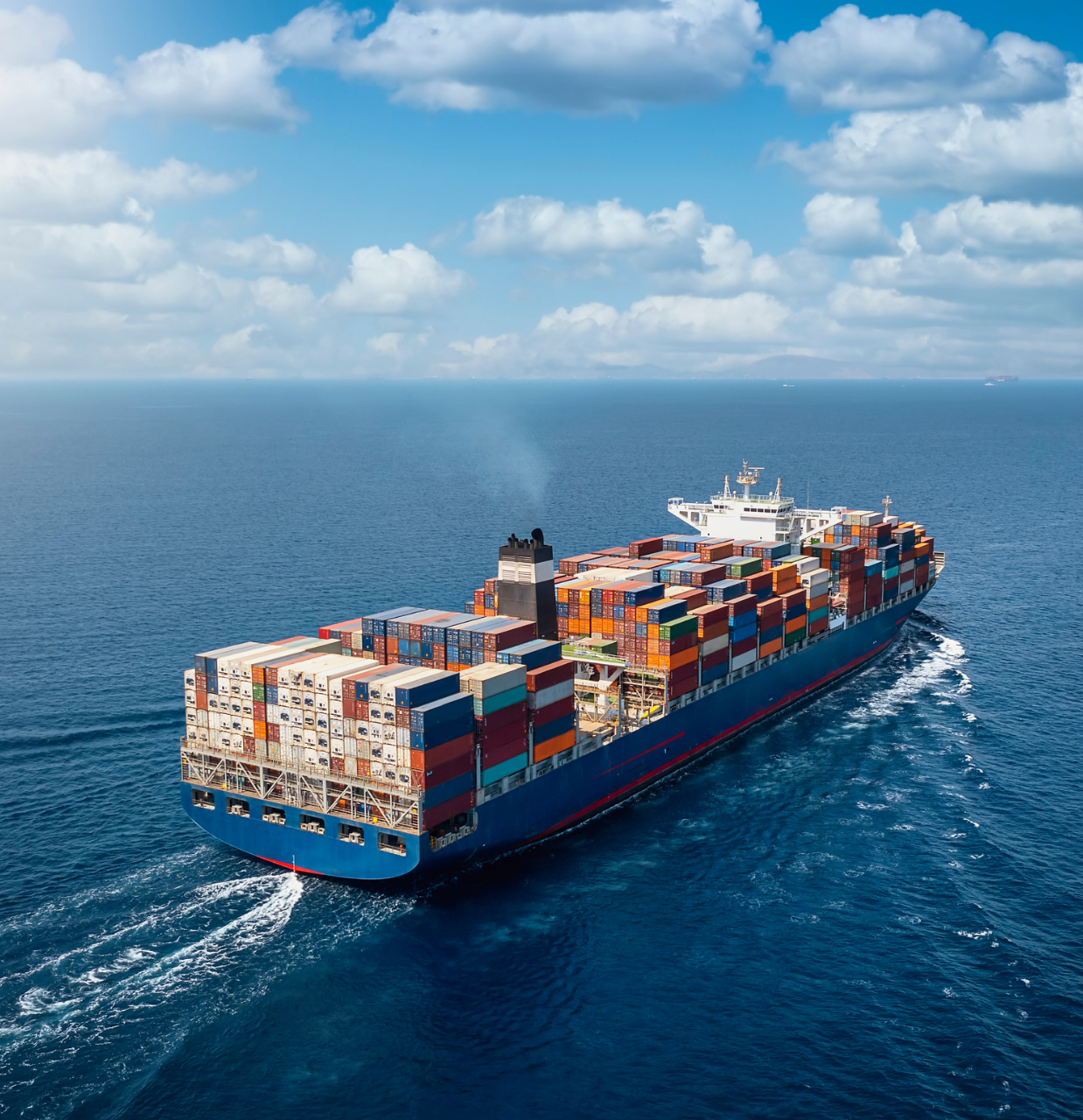
Propulsion charging and cold ironing
We take an intelligent approach to provide clean energy for propulsion charging for hybrid and full electric vessels – a cheaper, quieter and more sustainable way of operating any type of vessel in preparation for the new Emission Control Areas legal requirements and emission targets.
At berth
We provide berth-side delivery to vessels undergoing load or discharge, helping to maximise vessel turnaround time and improving CII index rating.
At anchor
We provide delivery nearshore or at anchorage during periods of congestion, ensuring vessels continue to operate sustainably.
At sea
We are developing the e-bunker vessel for mobile charging.
Why transition to clean energy?
Regulation is accelerating
- FuelEU driving low-carbon fuel mandates
- EU and UK Emissions Trading System increasing carbon costs
- International Maritime Organization Net Zero targets reshaping global standards
- World Shipping Council Green Balance Mechanism
Emissions drive competitiveness
- Carbon reduction now influences contracts and charter decisions
- Cargo owners prioritising low-emission supply chains
- Rising carbon costs impacting margins
- Electrification is a cost-effective, near-term solution
Ports demand cleaner operations
- Increasing shore power requirements at major ports
- Pressure to reduce air pollution and noise
- Higher fees or restricted access for risk non-compliant vessels
- Growing focus on port community impact
Infrastructure unlocks transition
- Lack of charging access delays fleet conversion and investment
- Uncertainty creates operational and financial risk
- Global consistency of supply remains a challenge
- First movers gain strategic advantage
5/6
of shipping emissions are produced whilst in navigation
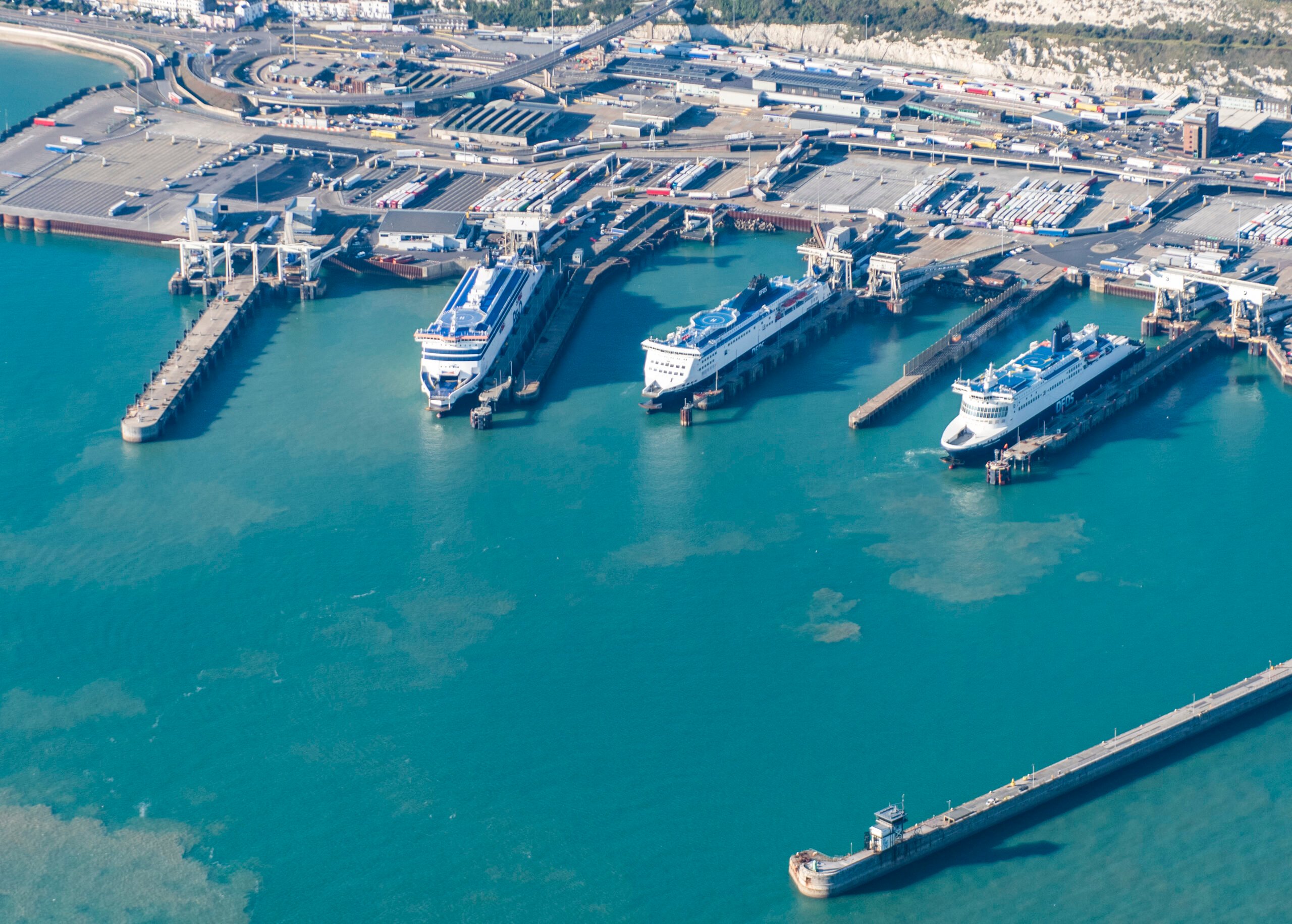
1/6
of shipping emissions are produced when ships are berthed at port
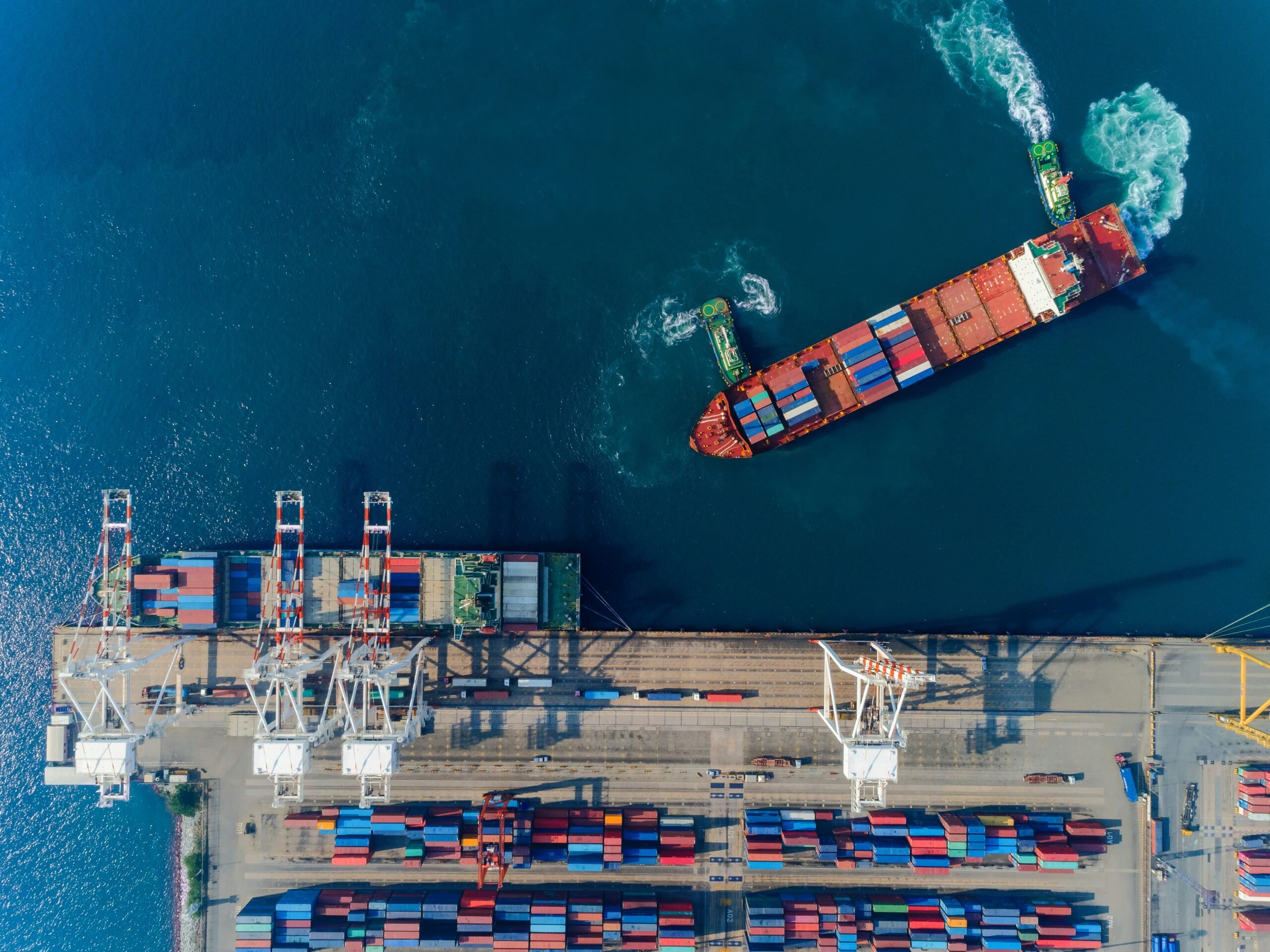
x3
global marine trade is forecast to triple by 2050
Tailored support, no matter your vessel type
Cruise
- Sustainable travel is becoming increasingly important for 81% of travellers
- Ports and cities globally are increasingly focused on improving air quality.
- Comply with regulation: e.g. -30% emission compared to 2008 by 2030, -70% by 2040, -100% by 2050 in UK
Ro/Ro
- Sustainable travel is becoming increasingly important for 81% of travellers
- Ports and cities globally are increasingly focused on improving air quality
- Comply with regulation
Ferry
- Consistent and predictable routes make for the perfect conditions for electrification.
- Growing demand for green travel from passengers
- Comply with regulation
Cargo
- Competitive advantage – offer your customers greener supply chains
- Less fuel volatility (fix energy costs)
- Comply with regulation
Service Vessel
- Consistent and predictable working pattern make for perfect conditions for electrification
Boost compliance and save money
The cost of burning fossil fuels is subject to shock in prices for events out of your control – from ever-tightening regulation to geopolitical shocks. This is a huge challenge for Shipping Lines that operate on wafer thin margins. In the EU alone, the cost of using fossil fuel is expected to more than double by 2030 thanks to two regulations – the EU Emissions Trading Scheme (ETS) and FuelEU Maritime Initiative (FEUM) – affecting all journeys to and from the EU. Other regions across the world are expected to follow suit in the coming years.
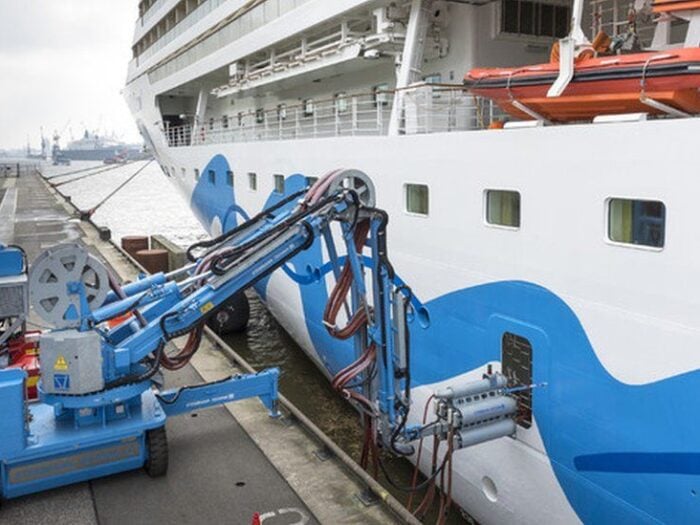
Cold ironing is already a legal requirement, and it helps to dramatically cut fossil fuel use, saving on fuel costs, improving CII ratings to comply with regulations, and increasing the efficiency of at-port operations.
As new Emission Control Areas create even greater legal requirements to cut emissions, electric propulsion creates a cheaper, less noisy and more sustainable way of operating any type of vessel.
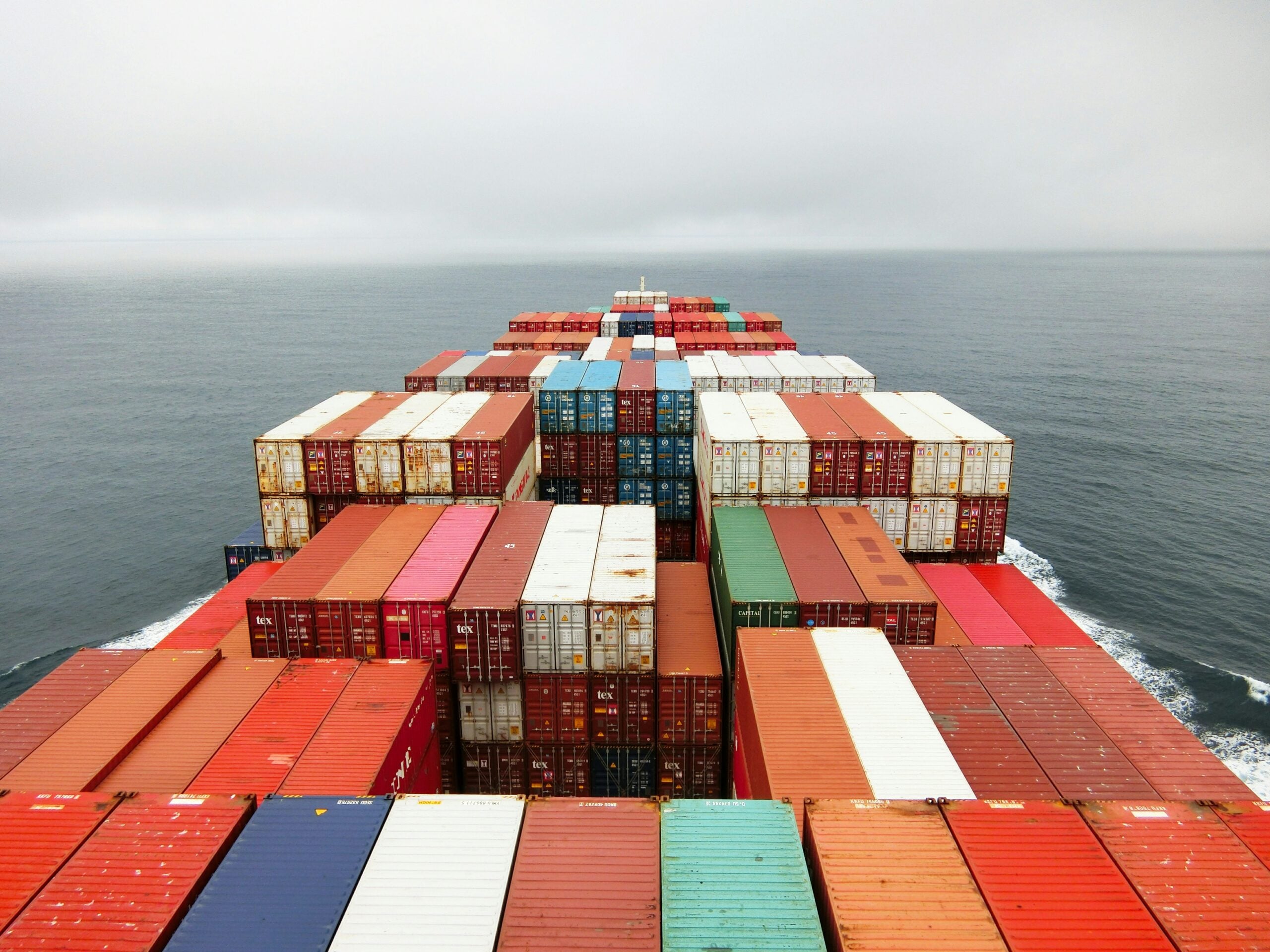
Comply with current and future regulations
Tightening regulations will result in significant financial penalties for non-compliance, making it critical to take action today.
There are legal requirements across all ports from 2025, which includes binding targets by 2030, 2040 and 2050.
Between 30-35% of SOx, NOx, and PMx emissions in port cities are generated by ships. CO2 emissions from fleets are 90% of Scope 3 Emissions for ports, meaning ports must also act to align with regulation.
As regulations increase globally, shipping operators must act urgently to adopt financially viable, future-proofed solutions. NatPower Marine is the supplier of choice for electric fuel.
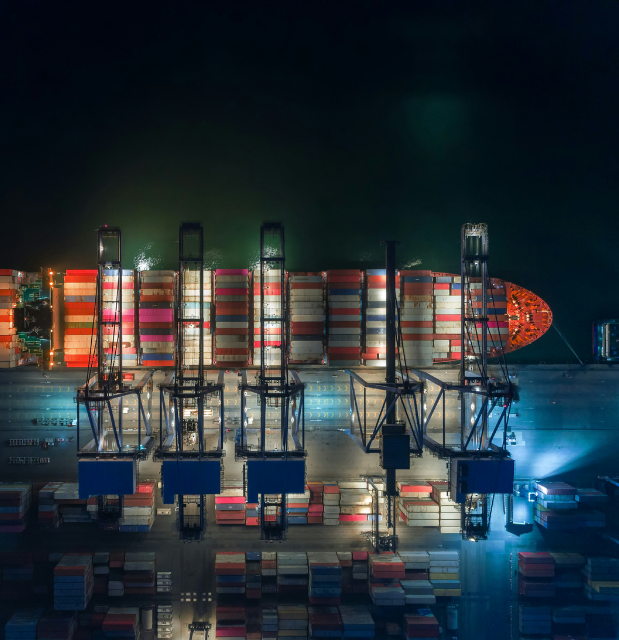
How long will the transition take?
Together, we can accelerate the creation of the network you need, deploying the future proof infrastructure, in the right place, at the right time, in line with your fleet electrification plan.
Our network is growing fast – discover our existing and planned locations:
2050
The internationally agreed date to achieve net zero shipping is just one vessel lifetime away, requiring urgent action today to plan your fleet conversion to hybrid of full-electric, with immediate targets from 2025, by 2030, by 2040, which require immediate actions.
2030
To support this rapid transition, we are leveraging our significant financial backing to build our global network at scale and pace. By 2030 we plan to invest £3 billion in ship charging infrastructure across 120 ports locations worldwide.
Let’s start migrating your fleet
We can support your fleet migration toward electrification for both cold ironing and propulsion in several ways.
- Analyse the potential for electrification ship by ship, with a cost-benefit analysis
- Define a fleet conversion plan linked to the dry dock plans
- Define the route electrification costs with dedicated supply contracts
Validate the existing electrification program by ship, to avoid mistakes preventing utilisation of infrastructure which will result in penalties.
Insights
Jul 10th 2026
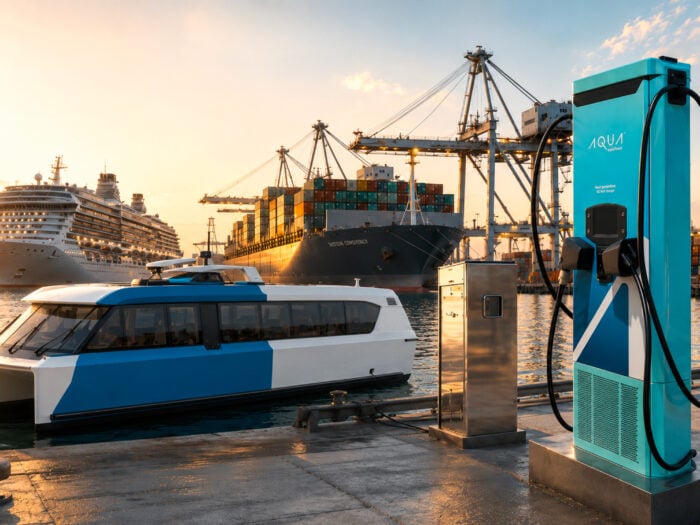
NatPower Marine Acquires Aqua superPower to Accelerate the Global Electrification of Ports and Marinas
NatPower Marine, a NatPower Group company enabling the energy transition in the maritime sector, has signed a strategic agreement to acquire the Aqua superPower international charging network from ATV Power, a provider of marine electrification technologies and charging infrastructure.
May 15th 2026
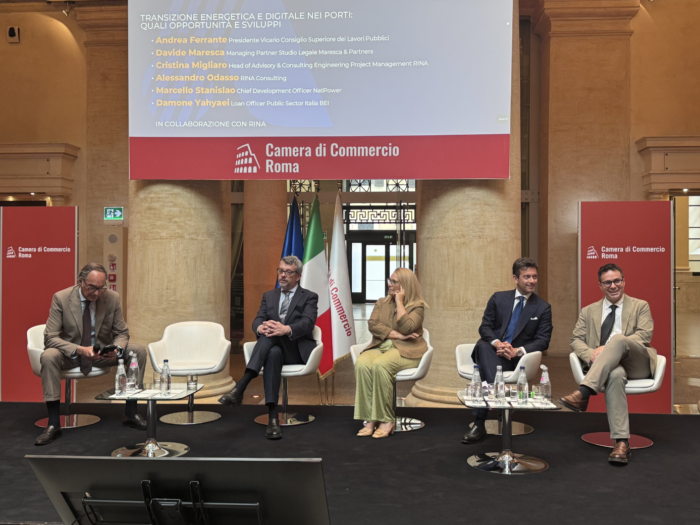
The Future of Port Infrastructure: From Deployment to Execution
At Assiterminal’s 25th anniversary in Rome, NatPower Marine outlined a clear industry shift: from deploying shore power assets to delivering fully integrated, operational energy systems.
Jan 5th 2026
NatPower Marine: 2025 Year in Review
Sep 4th 2025
NatPower Marine and Wah Kwong Launch Joint Venture to Drive Low-Emission Ports in Asia
In a major international initiative to reduce maritime emissions, global clean infrastructure developer NatPower Marine and leading Asian shipowner Wah Kwong Maritime Transport have launched a groundbreaking joint venture.